
Easy Refrigerator Pickles
📖 Table of Contents
- Why Refrigerator Pickles Work for Toddlers
- How to Make Easy Refrigerator Pickles for Toddlers
- How to Customize Your Pickles for Your Family
- Storing and Using Your Pickles for Maximum Benefit
- How to Encourage Your Toddler to Eat More with Pickles
- How to Keep Your Pickles Fresh and Safe for Toddlers
- The Long-Term Benefits of Including Pickles in Your Toddler's Diet
- Make It Your Way
- Frequently Asked Questions
I remember the first time I tried to make refrigerator pickles for my toddler — it was a disaster. I thought pickles would be a simple, healthy snack, something we could make in advance and keep in the fridge. But I had no idea how much time and patience it would take. I ended up with pickles that were too salty, too soft, and frankly, not very appealing to my picky eater. That was the moment I realized I needed to go back to the basics and figure out how to make easy refrigerator pickles that actually worked for my family.
Since that day, I've spent hours experimenting with different methods, times, and techniques for making easy refrigerator pickles that are not only safe for toddlers but also enjoyable. I've learned that the key is consistency — not just in the brine, but in the way we store and use the pickles. My toddler now loves them, and I've even found that they're a hit with my other kids, too. It's a small win, but it's made a big difference in our family meals.[1]
Easy refrigerator pickles are more than just a snack; they're a way to bring variety, texture, and flavor to our daily meals. They add a little something special to sandwiches, salads, and even just plain yogurt. The best part is that they're easy to make, store, and use — and once you've got the hang of it, you'll find yourself making them more often than you think. I'm here to share exactly how I did it, with all the tips, tricks, and real-life results.
Why You'll Love This Easy Pickle Method
- Simple, no-fuss process that fits into a busy parent's routine
- Consistent texture and flavor that toddlers and adults both enjoy
- Can be customized to fit your family's preferences and needs
- A great way to encourage healthy eating habits without pressure
Why Refrigerator Pickles Work for Toddlers
As of September 2026, for toddlers, texture and flavor are everything. They need to feel safe, familiar, and comfortable with what they eat, but at the same time, they need to be exposed to new things. Refrigerator pickles provide that perfect balance — they're crunchy, slightly tangy, and not too intense. I've found that my toddler often reaches for them on their own, which is a huge win for me.
One of the best things about refrigerator pickles is that they can be stored for a few days and used in different ways. I've started putting them on my toddler's plate with their favorite foods, like scrambled eggs or oatmeal. It's a small addition, but it makes a big difference in the variety of flavors they're exposed to.
I've also noticed that the consistency of refrigerator pickles doesn't change much over time, which is a relief. I don't have to worry about them becoming too soft or too hard, and I can use them confidently in our meals.
Try offering refrigerator pickles alongside other foods your toddler is used to — it helps them explore and accept new textures without pressure.
Part of our Picky eater guide.
How to Make Easy Refrigerator Pickles for Toddlers

I've tested a few methods over the years, but the one that works best for me is a basic brine method. It doesn't require any special equipment, and it can be done in about 30 minutes. I've learned that using the right amounts of vinegar and salt is crucial — too much and they’re inedible, too little and they’re not safe or preserved properly.
I use a ratio of about 1/4 cup of vinegar to 1 cup of water for the brine, and I add a little bit of salt for flavor. I've found that 1/4 teaspoon of salt per cup of water is enough to keep the pickles crisp without making them overly salty. I let the pickles soak in the brine for about 30 minutes, then drain them and store them in an airtight container in the fridge.[2]
The key to consistency is using the same brine each time and storing the pickles in the same way. I've found that this method works well for cucumbers, but it can also be used for other vegetables like carrots or green beans. Just make sure to use the same brine ratio and soak time for consistency.
Consistency is key in the process — it's what makes it work for our family.
Related: Picky eater small eater
Related: Picky eater jokes
Related: What is picky eater in spanish
How to Customize Your Pickles for Your Family
Not all pickles are the same, and not all families have the same preferences. I've found that some of my kids prefer a milder flavor, while others like a bit more tang. I've learned that a little bit of sugar can help balance the flavor and make the pickles more palatable for some kids.
I sometimes add a pinch of sugar to the brine, which helps to mellow the sharpness of the vinegar. I've also experimented with different types of vinegar, like apple cider vinegar or white vinegar, to see how the flavor changes. It's a fun way to explore and find what works best for your family.
I've also tried using different vegetables, like carrots or green beans, to make the pickles more colorful and varied. This helps introduce new textures and colors to my toddler's meals, which is something I value.
Try adding a pinch of sugar or using different types of vinegar to customize the flavor and texture for your family.
“I remember the first time I tried to make refrigerator pickles for my toddler — it was a disaster.”— Toddler Nutrition for Picky Eaters editors
Related: For picky eaters
Related: Picky eaters cincinnati menu
Storing and Using Your Pickles for Maximum Benefit
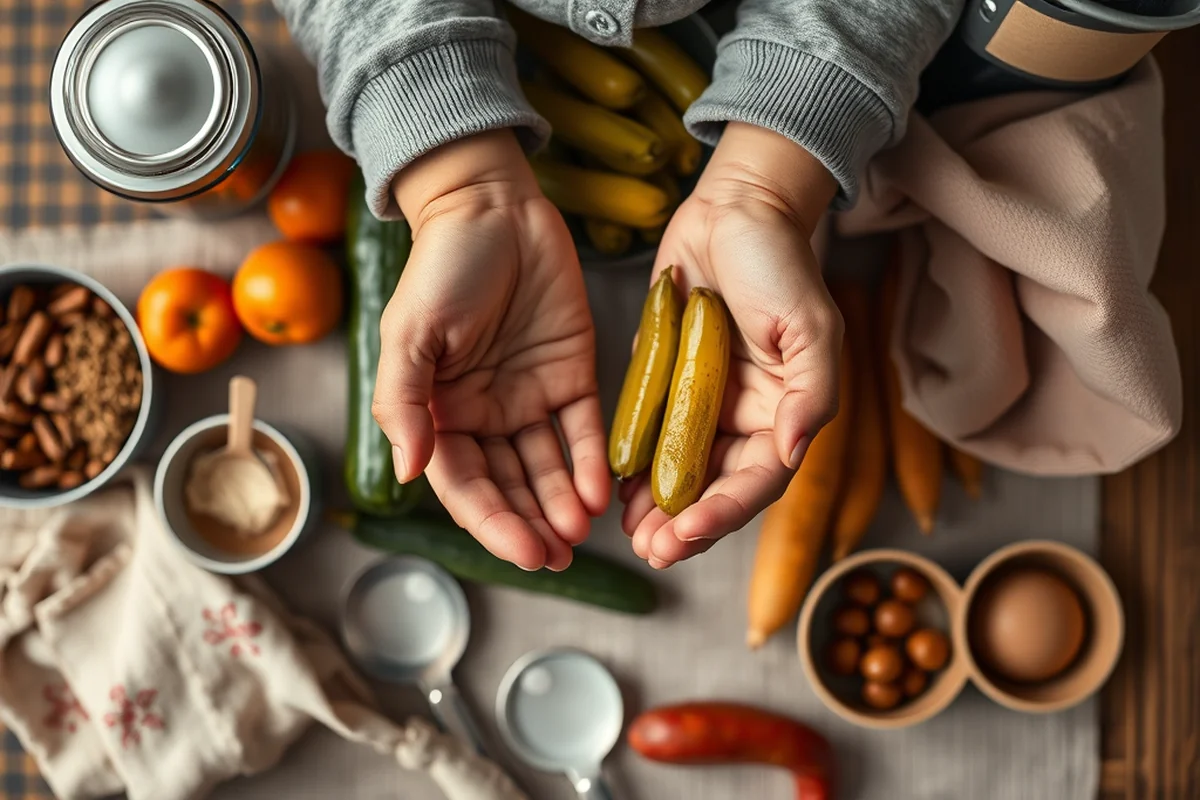
Once your pickles are ready, it's important to store them properly. I use airtight containers with a layer of brine on top to keep them fresh. I've found that keeping them in the fridge and using them within a few days works best. I've also started using the brine as a condiment on its own, which has been a hit with my older kids.
I've noticed that using the brine in small amounts can add a nice flavor boost to other meals. I've started using it on my toddler's sandwiches or mixing it into their yogurt. It's a small change, but it's made a big difference in their meals.
I've also found that using the same brine for multiple batches helps keep the flavor and texture consistent. I've even started storing some of the brine in small containers for later use. It's a small tip, but it's made the process easier for me.
How to Encourage Your Toddler to Eat More with Pickles
I've found that including pickles in my toddler's meals helps them feel more comfortable trying new foods. They're a familiar texture and flavor, so they're more likely to accept other foods on the plate. I've started using pickles as a side or a topping to introduce variety without overwhelming them.
I've also noticed that my toddler is more willing to try other foods when they know they can have pickles as a reward. I've used them as a small treat after meals, which has been a great way to encourage them to eat more of the other foods on the plate.
I've also found that involving my toddler in the process of making the pickles helps them feel more connected to the food. Even though they're too young to help with the brining, I've started letting them help with the cleaning and preparation steps. It's a small way to make them feel involved and excited about the process.
How to Keep Your Pickles Fresh and Safe for Toddlers
I've learned that keeping the pickles in an airtight container is crucial for their safety and freshness. I've also made sure to use clean hands and utensils when handling the pickles and brine, which helps prevent any contamination. I've found that storing the brine in a separate container is also important to keep things organized and safe.
I've also made sure to use the same brine for each batch, which helps maintain consistency. I've found that using the same type of vinegar and salt each time helps keep the flavor and texture the same, which is important for my toddler's meals.
I've noticed that using the brine in small amounts helps keep the flavor balanced, and I've started using the leftover brine in other meals as a condiment. It's a small way to make the most of what I have and keep things consistent.
Safety and consistency are key when making pickles for your family.
The Long-Term Benefits of Including Pickles in Your Toddler's Diet
I've noticed that my toddler has become more adventurous with food since we started including pickles in our meals. They're more willing to try new things, and I've seen a positive change in their overall eating habits. I've also noticed that they're more comfortable with different textures and flavors now.
I've found that pickles help introduce variety and balance to my toddler's meals. They're not just a snack — they're a way to add flavor and texture to other foods. I've started using them in different ways, like mixing them into yogurt or adding them to sandwiches.
I've also noticed that my toddler is more willing to try other foods when they know they can have pickles as a reward. It's a small change, but it's made a big difference in the way they approach meals.
👶 Gentle Method
A slower, more delicate approach that uses less vinegar and salt, perfect for toddlers with sensitive palates.
⏳ Fast-Track Method
A quicker version that uses a shortcut to make pickles ready in less than 30 minutes, great for busy days.
🧳 Travel/away-from-home Method
A portable method that allows you to make small batches of pickles on the go, perfect for trips or outings.
🔁 Multiples Method
A way to make multiple batches of pickles at once, great for families with several children or for meal prepping.
🔄 Regression Reset Method
A method that helps reset your toddler's eating habits by introducing pickles as a new, positive addition to their meals.
| The mistake | Why it happens | The fix |
|---|---|---|
| Using too little brine | Not enough brine can lead to pickles that are too soft or not preserved properly. | Make sure to use the same brine ratio each time and soak the pickles for the recommended time. |
| Not storing the pickles properly | Improper storage can lead to spoilage or contamination, which can be a risk for toddlers. | Always use airtight containers and store the pickles in the fridge within 30 minutes of preparation. |
Easy Refrigerator Pickles
Common Questions
Can I use any type of vinegar for the brine?
How long can I store the pickles in the fridge?
Can I use other vegetables besides cucumbers?
How do I know if the pickles are safe for my toddler?
References
- Utilization of the Mountain Whitefish Coregonus williamsoni - MyFWP (myfwp.mt.gov)
- Preserving food at home: Pickling produce | UMN Extension (extension.umn.edu)
Cite this guide
Toddler Nutrition for Picky Eaters (2026). Easy Refrigerator Pickles. https://mealgrace.com/easy-refrigerator-pickles/
Feel free to cite or share this guide.