
Picky Eaters In Japan
📖 Table of Contents
I remember the first time my son refused to touch a piece of sushi. It was at a family gathering in Tokyo, and the look on his face was pure confusion. Picky eaters in Japan are a growing concern for parents who find themselves navigating a culture where food is central to tradition and identity. The pressure to conform to local eating habits can be overwhelming, especially when your child refuses to touch the rice or nibble the fish.
Living in Japan with a picky eater has felt like trying to solve a puzzle where the pieces keep changing. Japanese parents are often told that their children should eat everything on their plate, but in reality, many kids in Japan also struggle with picky eating. My son started refusing fruits, vegetables, and even bread, and it was a relief to discover that I wasn’t alone in this struggle. The cultural emphasis on food as a social ritual made mealtime a source of stress rather than joy.[1]
Through trial and error, I discovered that navigating picky eaters in Japan requires a unique blend of patience, creativity, and understanding. The Japanese approach to eating is rooted in mindfulness and family values, but this can be a double-edged sword for a picky eater. I’ve learned to adapt my strategies so that my child feels included in the meal without being forced to eat what he’s not ready for. It’s not about changing who he is, but about finding a middle ground that works for us.[2]
Why You'll Love This Guide to Navigating Picky Eaters in Japan
- Tailored strategies that respect cultural context and your child's needs
- Real-life techniques tested by parents in Japan
- Emphasis on building positive food associations without pressure
- Insights into how Japanese culture can both challenge and support healthy eating habits
Understanding Picky Eating in Japan
As of August 2026, in Japan, food is often seen as a way to express love and care, but this can put pressure on parents who are trying to accommodate a picky eater. I’ve noticed that many Japanese parents are hesitant to question traditional meal practices, even when their child is struggling. This can lead to frustration on both sides and a lack of progress in helping the child explore new foods.[3]
I once overheard a conversation between two mothers in a park, where one said her child only ate bread and milk for breakfast. The other mother shared her own experience of trying to get her child to eat vegetables and how it had taken years of effort. These stories are common and highlight the challenges of navigating picky eating in Japan.
While it’s important to respect cultural practices, it’s also necessary to find a balance that works for your child. I’ve found that focusing on small, achievable goals and celebrating any progress, even if it’s just a few more bites of rice, has made a big difference for my son.
Avoid comparing your child to others, even if they seem to be eating more. Every child has their own timeline for exploring new foods.
Part of our Picky eaters list child guide.
The Role of Family Meals in Japan
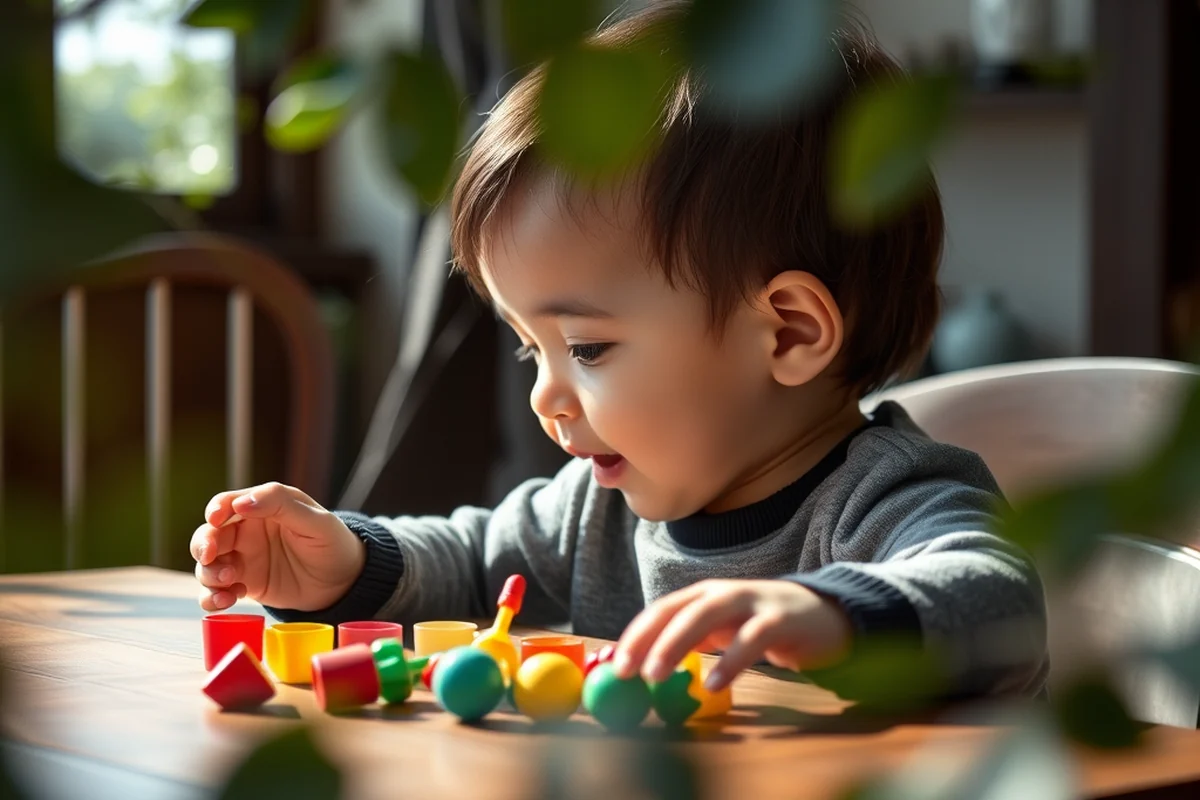
In my experience, family meals in Japan are more than just a way to eat together — they are a ritual. The whole family sits around the table, and the act of eating is done with mindfulness and respect. However, this can be a challenge for a picky eater who feels self-conscious about not eating the same things as everyone else.
I remember one evening where my son refused to sit at the table and instead ate in his room. It was a difficult moment, but I realized that forcing him to eat with the family was making him more anxious. I started allowing him to eat in a separate area while still being part of the family meal, and it helped ease the tension.
The key is to find a way for your child to feel included without being forced to eat. Even if they’re not at the table, they can still be part of the conversation and the mealtime experience.
In Japan, family meals are a ritual — but they should also be a space for comfort, not pressure.
Related: Easy healthy recipes for picky eaters on a budget
Related: Picky eaters card game
Related: Picky eaters handout 3
Related: Picky eaters cincinnati reviews
Related: Picky eaters list child 2
Related: Things Picky Kids Eat
Related: Picky Eaters Recovery Book
Related: Mcdonald'S Menu Nutritional Information
Related: Why Do Picky Eaters Exist
Related: What Is Picky Eaters
Related: Picky Eaters Disorder
Related: Feeding Therapy For Picky Eaters Near Me
Related: Best Dog Food Picky Eaters
Related: Picky Eaters Game Buy
Related: A Picky Eater Test
Related: Picky Eaters How To Deal With
Related: Occupational Therapy For Picky Eaters Near Me
Related: Picky Eaters Reddit
The Power of Positive Reinforcement
Positive reinforcement has been one of the most effective strategies I’ve used with my son. I’ve started praising him for even touching a new food, no matter how small the action. This has helped him feel less anxious and more curious about trying new things.
I also use small rewards, like stickers or extra playtime, to celebrate his willingness to explore new foods. These rewards are not about bribing him to eat, but about showing him that trying something new is a positive action.
Over time, my son has become more open to trying new foods, and the positive reinforcement has helped build his confidence and curiosity around food.
Even a single bite of a new food is a win. Use this as an opportunity to praise your child and build their confidence.
“I remember the first time my son refused to touch a piece of sushi.”— Toddler Nutrition for Picky Eaters editors
Related: Picky Eaters Foods
The Importance of Modeling Behavior
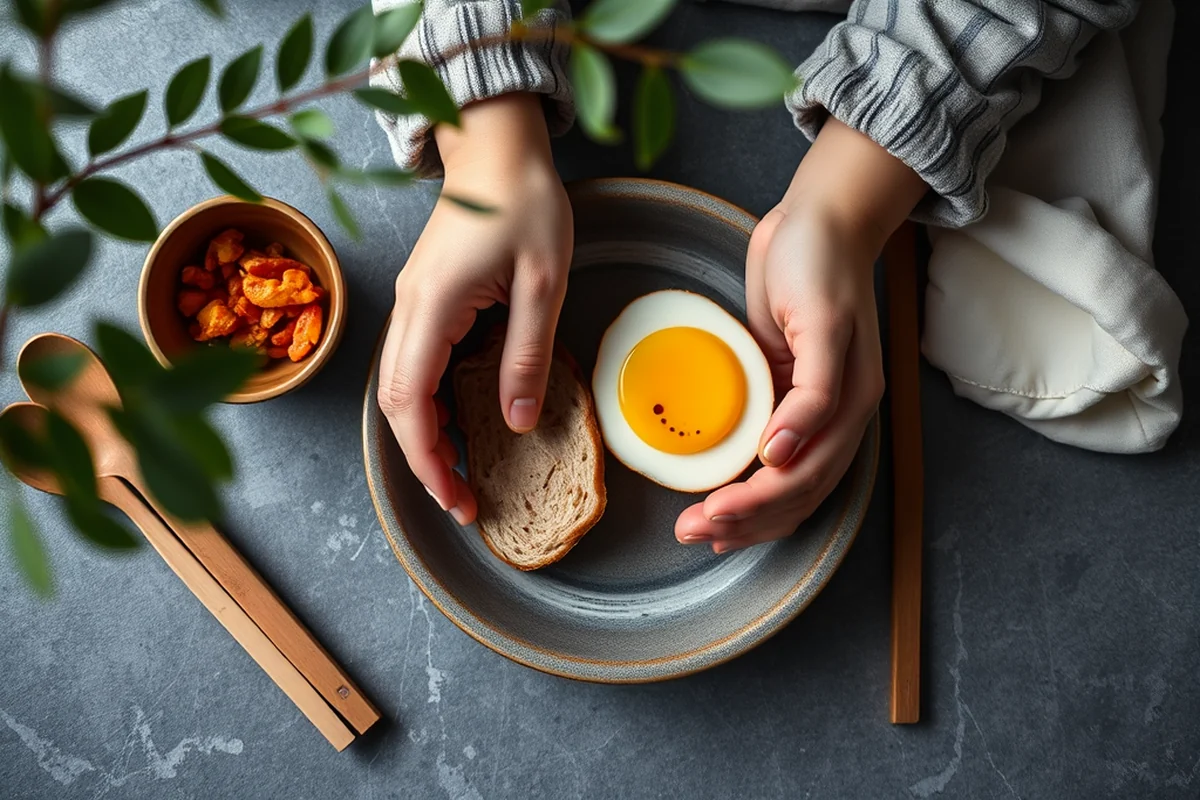
In Japan, parents often eat the same foods as their children, which can be a positive influence. However, when a child is picky, this can also be a source of confusion and pressure. I’ve noticed that my son sometimes watches me eat and then refuses to try the same food, even if I’ve eaten it without issue.
I’ve started eating in front of him more often and making a point to talk about how I enjoy the food. This has helped him feel more comfortable with trying new things, even if he doesn’t end up eating it right away.
Modeling behavior is a powerful tool in Japan, and it’s important to be patient and consistent with your approach. Even if your child doesn’t eat the same food as you, they can still benefit from seeing you enjoy it.
Navigating Cultural Expectations
Japanese culture places a strong emphasis on eating together and following traditional meal practices, which can be both challenging and confusing for parents with picky eaters. I’ve found that it’s important to find a balance between respecting cultural traditions and meeting your child’s needs.
I once tried to explain to my son that it’s okay to eat only a few types of food, and he responded with confusion. It took time for him to understand that not everyone in Japan eats the same things, and that it’s okay for him to have different preferences.
Communication is key when navigating cultural expectations. It’s important to be open and honest with your child while also respecting the traditions that are important to your family.
The Role of Play in Encouraging Eating
I’ve found that incorporating play into mealtime has been a great way to encourage my son to try new foods. We’ve started playing games like 'Find the Food' where we look for different ingredients in the kitchen or 'Taste the Color' where we explore the colors of different foods.
These games have helped make mealtime more fun and less stressful for my son. He’s more willing to try new foods when they’re framed as a game rather than a requirement.
Play is a natural way for children to explore and learn, and it can be a powerful tool in helping picky eaters in Japan become more comfortable with trying new foods.
In Japan, play can be the bridge between picky eating and food exploration.
The Impact of Social Pressure
In Japan, there is often an unspoken pressure to eat everything on your plate, which can be especially challenging for parents with picky eaters. I’ve noticed that my son sometimes feels embarrassed if he doesn’t eat the same things as his friends or if he refuses to try a new food.
This pressure can be overwhelming for both parents and children. I’ve found that it’s important to remind my son that it’s okay to have different preferences and that not everyone eats the same things.
It’s also helpful to involve other family members or friends in the process. Having other people support your child can help reduce the pressure and make mealtime a more positive experience.
🌸 Gentle Approach
This approach focuses on creating a calm, stress-free environment where the child can explore food at their own pace.
🚀 Fast-Track Method
Ideal for parents who want to encourage their child to try new foods quickly and efficiently, using structured routines and rewards.
🧳 Travel/Away-from-Home Strategy
This method is designed for parents who need to manage picky eating in different settings, such as when traveling or dining out.
👶 Multiples Approach
This strategy is tailored for parents with more than one child, focusing on individual needs while maintaining a consistent routine.
🔄 Regression Reset
This approach is for parents who notice a sudden regression in their child’s eating habits and want to find ways to help them return to a more balanced routine.
| The mistake | Why it happens | The fix |
|---|---|---|
| Comparing your child to others in Japan | This can increase your child’s anxiety and make them feel like they’re not meeting cultural expectations. | Avoid comparing your child to others. Every child has their own timeline for exploring new foods, and it’s important to be patient and supportive. |
| Ignoring your child’s preferences | Ignoring your child’s preferences can lead to more resistance and make it harder for them to try new foods. | Respect your child’s preferences while also encouraging them to explore new foods at their own pace. Find a balance that works for both of you. |
| Using food as a punishment or reward | This can create a negative relationship with food and make your child more resistant to trying new things. | Avoid using food as a punishment or reward. Focus on building a positive relationship with food through play, modeling, and positive reinforcement. |
Picky Eaters In Japan
Common Questions
How can I help my child feel more comfortable with trying new foods in Japan?
Is it okay to let my child eat only a few types of food in Japan?
How can I handle social pressure from other parents in Japan?
What can I do if my child refuses to eat with the family?
References
Cite this guide
Toddler Nutrition for Picky Eaters (2026). Picky Eaters In Japan. https://mealgrace.com/picky-eaters-in-japan/
Feel free to cite or share this guide.