
Picky Eaters Card Game
📖 Table of Contents
I remember the day my daughter refused to touch a single green bean, even after I’d spent 45 minutes turning it into a rainbow of pureed veggie muffins. It was a moment that made me feel like a total failure as a parent. But then I remembered a card game I’d seen at a friend’s house — it was simple, had no rules about food, and somehow made my daughter want to pick up a fork. That’s how I stumbled into the world of the Picky Eaters Card Game, a strategy that changed the way our family thinks about mealtime.
The Picky Eaters Card Game is not about forcing kids to eat, nor is it about lecturing them about the importance of broccoli. It’s about turning mealtime into a playful, win-win scenario where everyone has a role to play. I’ll be the first to admit I didn’t get it right the first time — I tried to make it about food, and it backfired. But when I stopped trying to control the outcome and instead gave my child a sense of agency, the magic started happening.[1]
What makes the Picky Eaters Card Game so powerful is that it doesn’t require any special equipment, takes just a few minutes to set up. Can be played anywhere — on the kitchen floor, in the car, or even in the grocery store. It’s not a solution that works overnight. Over the course of a few days, I saw my daughter begin to explore new foods and even ask for seconds of things she’d previously avoided. And that’s something I never thought I’d hear.
Why You'll Love This Picky Eaters Card Game
- It gives kids a sense of control and choice during mealtime.
- It turns food exploration into a fun, non-pressured activity.
- It requires no cooking, shopping, or special ingredients.
- It’s easy to adapt for different ages and stages.
What is the Picky Eaters Card Game?
As of August 2026, the game is based on simple, age-appropriate cards with images of different foods. Each card has a short, engaging question or prompt that encourages kids to think about the food in a new way — like, 'What color is this?' or 'Can you find this in your fridge?' Kids take turns drawing a card and answering the prompt. The goal is to have fun while learning about food.
I made a set with my own photos of foods we had at home, which helped my daughter feel more connected to the game. She loved flipping through the cards and pointing out foods she recognized. It was a win for both of us because she wasn’t being asked to eat — she was being asked to play and learn.
One of the best parts about the game is that it’s completely customizable. You can create cards based on the foods your child is familiar with or even introduce new foods in a gentle way. It’s a low-pressure, high-engagement activity that makes mealtime more enjoyable for everyone.
Begin with foods your child is already comfortable with to build confidence and curiosity.
Part of our Picky eaters list child guide.
How to Set Up the Game
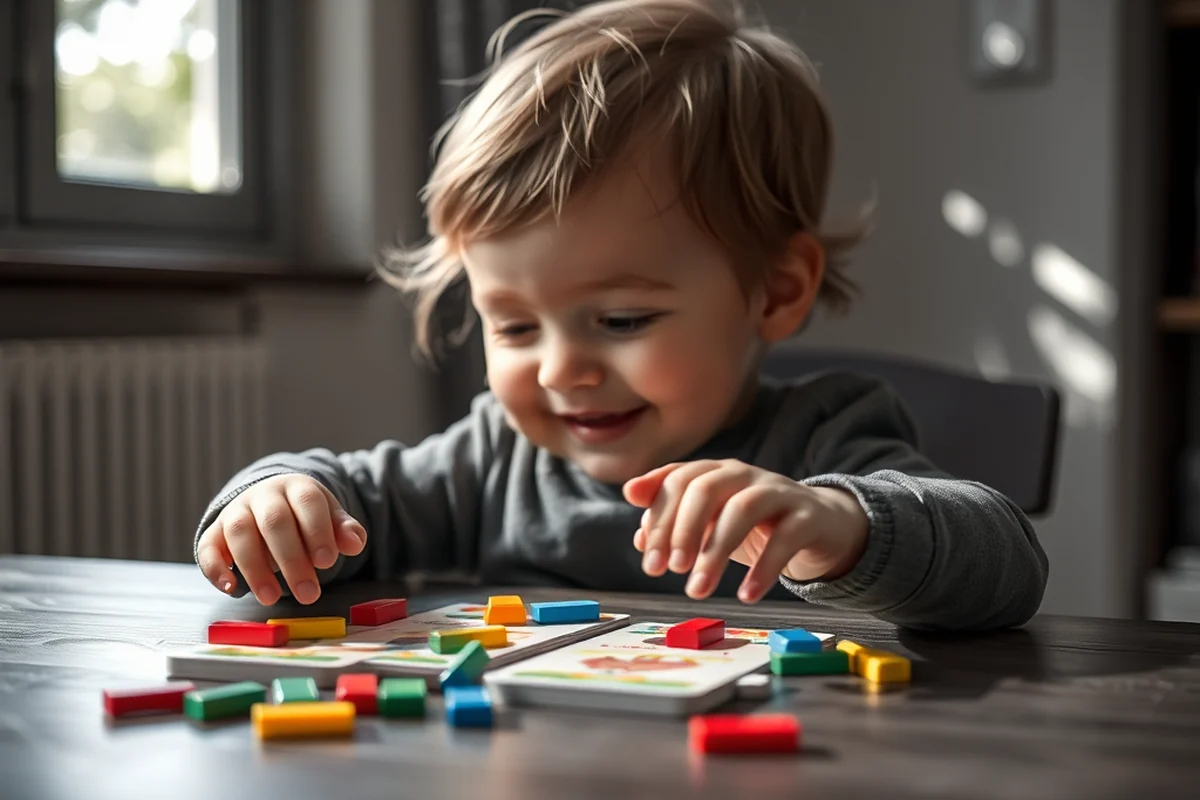
To get started, you’ll need a small stack of cards — you can make them yourself with a printer or buy a pre-made set. I used index cards and printed out photos of foods from our kitchen. Then, I cut them out and wrote simple prompts on the back, like 'What does this smell like?' or 'Have you seen this at the grocery store?'
The cards are then shuffled and placed face down on a table or the floor. My daughter and I take turns drawing a card, reading the prompt, and answering it. It’s a game that can be played anywhere, even during a car ride or a quick break between chores.
I found that the best time to play was right before a meal, as it helped my daughter think about the food we were about to eat in a fun and engaging way. It didn’t take long for her to start asking questions about the foods on the cards and even suggesting new foods we could try.
Setup is quick — just cards and curiosity.
Related: Picky eaters dinner ideas kid friendly
Related: Picky eaters in japan
Related: What is fussy eaters
Related: Picky Eaters Children
Related: Picky eaters cincinnati reviews
Related: Quick Pickled Cucumbers – Refrigerator Pickles
Related: Picky Eaters Checklist
Related: A Picky Eater Test
Related: Why Do Picky Eaters Exist
Related: Picky Eaters Kids Reddit
Related: What'S A Picky Eater
Related: Diarrhea Diet For Adults
Making the Game Age-Appropriate
For younger children, I used simpler prompts that asked about colors, shapes, and textures. For example, 'Is this food round or square?' or 'Does this feel soft or hard?' These prompts helped my daughter develop her observational skills and made the game feel more like play than learning.
As my daughter grew, I introduced more complex prompts, like 'Where do we get this food?' or 'What’s one thing you like about this?' These prompts encouraged her to think more deeply about the food and helped her feel more involved in the conversation.
I also made sure to keep the game moving at a pace that worked for her. If she got stuck on a question, I’d help her think it through, but I never forced her to answer — the goal was always to keep it fun and engaging.
Ask questions that don’t have a single right answer, to encourage creativity and discussion.
“I remember the day my daughter refused to touch a single green bean, even after I’d spent 45 minutes turning it into a rainbow of…”— Toddler Nutrition for Picky Eaters editors
Related: Picky Eaters Game Buy
Related: Picky Eaters Recovery Book
Related: Picky Eaters Foods
Why the Game Works for Picky Eaters
Picky eaters often feel anxious or pressured with food, and that can make mealtime a stressful experience for both kids and parents. The card game helps shift the focus away from eating and onto learning, which makes it feel less like a challenge and more like an opportunity.
When my daughter played the game, she wasn’t being asked to eat — she was being asked to think, to explore, and to have fun. That shift in perspective made a huge difference in how she approached mealtime. She started asking more questions about food and even began to take small bites of things she used to avoid.
The game also gives parents a chance to model curiosity and engagement with food, which can help shape a positive relationship with eating over time. It’s not a quick fix, but it’s a powerful tool that can help kids feel more comfortable and excited about trying new foods.
Tips for Playing the Game
First, keep the game short and sweet. I found that playing for just 10-15 minutes was enough to keep my daughter interested and engaged. If the game went on too long, it started to feel like a chore instead of a fun activity.
Second, make sure to keep the tone light and positive. If my daughter got stuck on a question, I’d gently remind her that it was okay to not know the answer. I never made it feel like a test — the goal was to have fun and explore.
Finally, be patient and consistent. The game isn’t a magic bullet that will fix picky eating overnight. But if you play it regularly, you’ll start to see small changes in how your child thinks about food and how they interact with it.
The Long-Term Benefits of the Game
Over the past few months, I’ve noticed that my daughter is more curious about food and more willing to try new things. She’s started asking questions about where food comes from and even helps me plan meals for the week.
The game has also helped her feel more in control of her choices, which has made mealtime less stressful for both of us. She still has her off days, but overall, she’s more open to trying new foods and more excited about mealtime.
I’ve also noticed that she’s more engaged during other activities that involve food, like grocery shopping or cooking. It’s like the game has opened up a whole new world of possibilities for her, and that’s something I’m really grateful for.
A little curiosity can go a long way.
How to Adapt the Game for Different Situations
If you’re on the go, you can use a smaller set of cards or even make up questions on the spot. I’ve played the game in the car while waiting for a school drop-off, and it was a great way to keep my daughter occupied and engaged.
If you have multiple kids, you can create separate decks of cards or take turns playing. This helps each child feel more involved and gives them the chance to explore food at their own pace.
For kids who are going through a food-related regression, like after a big life change or a health issue, the game can be a gentle way to reintroduce food into their daily routine. It’s not about eating — it’s about exploring, and that can be a big step forward.
🌱 Gentle Approach
Ideal for kids who are resistant to trying new foods. Focus on curiosity and exploration, not pressure or eating.
⚡ Fast-Track Version
Designed for quick, on-the-go play. Use a small set of cards and simple prompts to get the game started quickly.
✈️ Travel/On-the-Go Version
Perfect for families who are always on the move. Use a pocket-sized set of cards and questions you can ask anywhere.
👨👩👧 Multiple Kids Version
Great for households with more than one child. Create separate decks or take turns to keep everyone engaged.
🔄 Regression Reset
Helps kids who are going through a food-related regression. Use gentle prompts and focus on re-establishing a positive relationship with food.
| The mistake | Why it happens | The fix |
|---|---|---|
| Forcing the child to answer every question | This can make the game feel like a test or a chore, which can backfire and make the child more resistant. | Allow your child to skip questions they’re not ready for. The goal is to keep the game fun and engaging, not to push them into answering. |
| Using the game as a reward for eating | This can create an unhealthy association between food and games, making mealtime feel like a task rather than a natural part of life. | Use the game as a separate activity that happens before or after mealtime, not as a reward for eating. |
| Not keeping the game short | If the game goes on for too long, it can feel overwhelming or boring, which can make the child lose interest. | Play the game for 10-15 minutes and then stop. Keep it light, fun, and engaging, and your child will be more likely to want to play again later. |
| Using the game in a stressful or negative environment | If the game is played in a tense or negative environment, it can make the child feel more anxious about food. | Play the game in a relaxed and positive environment, where your child feels safe and supported. |
Picky Eaters Card Game
Common Questions
Do I need to use real food to play the game?
How long should I play the game each day?
Can I use the game with toddlers?
How do I know if the game is working?
References
- Healthy Schools Toolkit - IN.gov (in.gov)
Cite this guide
Toddler Nutrition for Picky Eaters (2026). Picky Eaters Card Game. https://mealgrace.com/picky-eaters-card-game/
Feel free to cite or share this guide.