
Toddler Food Jags
📖 Table of Contents
- Understanding Toddler Food Jags
- The Science Behind Toddler Food Jags
- Creating a Food-Friendly Environment
- Strategies to Manage a Food Jag
- The Role of Routine in Food Jags
- When to Seek Help for a Food Jag
- Rebuilding Trust During a Food Jag
- The Power of Play in Overcoming Food Jags
- Make It Your Way
- Frequently Asked Questions
I remember the day my daughter turned two and suddenly refused to eat anything but chicken nuggets. It was like watching a small, stubborn storm brew in the kitchen. I had no idea what toddler food jags were until I lived them, and it changed how I approached meals for the rest of our family. What started as a simple mealtime became a daily battle of wills, with me trying everything from bribery to pleading, but nothing worked. Toddler food jags are a real, frustrating part of parenting, and I’m here to help you navigate them with compassion and strategy.
The first time my toddler refused to touch a banana, I felt like I’d failed as a parent. But I quickly learned that food jags are normal, not a sign of a problem. They’re a phase that many toddlers go through, and they can last anywhere from a few days to weeks, even months in some cases. What surprised me most was that during this time, I had to relearn how to feed my child without forcing them. It wasn’t about changing their preferences, but about creating a safe, non-judgmental environment where they could explore food on their own terms.
Toddler food jags are more than just a temporary refusal to eat. They’re a window into your child’s autonomy, curiosity, and even their emotional state. I’ve learned that the way I approached this phase made all the difference for us. Instead of fighting, I started to listen, observe, and adapt. I discovered that the key to managing toddler food jags is not about winning the battle, but about understanding the child behind the behavior. It’s a journey that can be messy, but with the right tools, it can also be incredibly rewarding.
Why You'll Love This Article
- Learn practical, science-backed strategies to ease toddler food jags
- Get real-life examples from parents who've navigated this phase successfully
- Discover the importance of patience and flexibility in feeding your toddler
- Avoid common mistakes that can prolong the food jag phase
Understanding Toddler Food Jags
As of August 2026, Food jags are not a sign of a problem, but rather a normal part of development. My toddler went through her first food jag at 18 months, and I was shocked when she refused to eat anything but toast for weeks. It was confusing, but I soon realized that this phase was her way of asserting control and exploring autonomy.[1]
During this time, it’s important to stay calm and avoid power struggles. I found that trying to force her to eat what she didn’t want only made the situation worse. Instead, I focused on offering a variety of foods and letting her make choices, even if it meant eating the same thing for days.
Research shows that most toddlers go through at least one food jag by the age of two. It's a normal phase, and with the right approach, it can be managed without stress or frustration for the whole family.[2]
Notice the time of day, mood, and environment when the food jag occurs. This can help you identify patterns and adjust your approach.
The Science Behind Toddler Food Jags

When my daughter was two, she would refuse to touch any food that wasn’t yellow. I learned that this phase was not just a preference, but a way for her to explore textures, colors, and the world around her. Her sensory development was at play, and she was learning about the properties of food in her own way.
Studies have shown that toddlers are more likely to go through food jags during periods of rapid growth, which can be stressful for them. It’s a time when they’re trying to assert their independence, even if it means rejecting food they once loved.[3]
Understanding this science helped me shift my mindset from frustration to patience. I started to see the food jag not as a failure, but as a natural part of my daughter’s growth and development.
Food jags are not rebellion, but exploration.
Related: Toddler food japan
Related: Toddler friendly restaurants manchester
Related: Fussy toddler eaters recipes
Related: Toddler friendly restaurants london
Related: Feeding toddler on a budget
Related: What Is Finger Food
Related: Gerd Diet Food List
Related: Baby Food Processor
Creating a Food-Friendly Environment
I set up a small area in the kitchen where my daughter could explore food on her own terms. It became a space where she could touch, smell, and eventually try new things without pressure. This helped reduce her anxiety and made mealtime less of a battle.
I also involved her in the process by letting her help with simple tasks like arranging plates or choosing a fruit to add to the meal. This gave her a sense of control and made her feel more involved in the food process.
Creating a calm, relaxed atmosphere around food is key. I noticed that when I kept my own stress in check, she seemed more open to trying new things, even if it was just one small step at a time.
Let them help with simple tasks like placing food on a plate or choosing a color for their bowl. This increases their engagement and reduces resistance.
“I remember the day my daughter turned two and suddenly refused to eat anything but chicken nuggets.”— Toddler Nutrition for Picky Eaters editors
Strategies to Manage a Food Jag
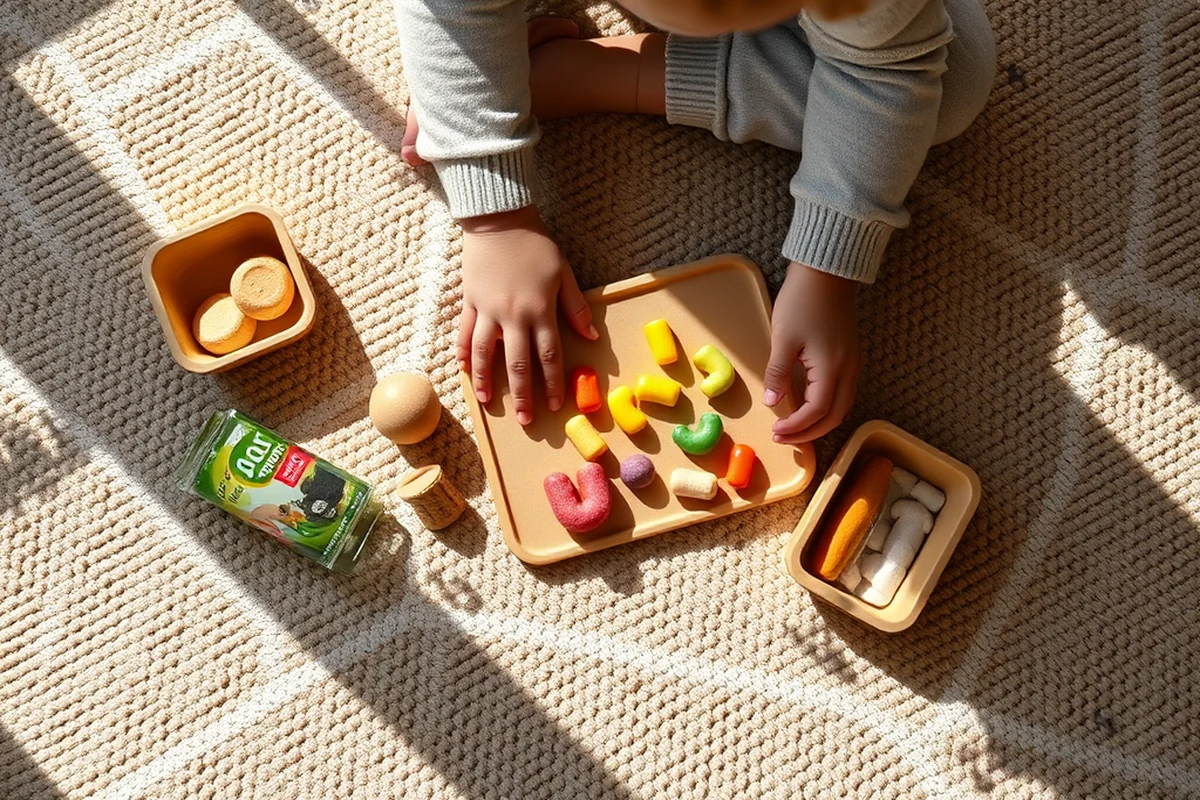
I found that consistency was key. Even though my daughter would refuse to touch certain foods, I continued to offer them in a non-pressuring way. Over time, she started to explore them on her own, even if it took weeks.
I also made sure not to make a big deal out of the food jag. When she turned down a meal, I didn’t react with frustration or disappointment. Instead, I stayed neutral and offered the food again the next day.
Another strategy that worked was introducing new foods in a variety of ways. I would mix a new food with something she already liked, or serve it at a different time of day. This helped her associate the food with positive experiences.
The Role of Routine in Food Jags
When my daughter was in the middle of a food jag, I made sure that mealtime was a predictable and calm part of her day. We had a set time for breakfast, lunch, and dinner, and we stuck to it even when she wasn’t eating much.
I also made sure that we didn’t eat on the go or in front of the TV. This helped her focus on the food and the experience of eating, rather than being distracted by other things.
Consistency helped her feel more secure, even when she was being picky. It gave her a sense of structure and normalcy, which was comforting during a time when she was feeling out of control.
When to Seek Help for a Food Jag
I knew that my daughter’s food jag was normal when she was eating enough and staying hydrated. But if she was losing weight, refusing to eat for long periods, or showing signs of distress, I would have sought help immediately.
Sometimes, a food jag can be a sign of a more serious issue, such as a sensory processing disorder or anxiety. In these cases, it’s important to consult with a pediatrician or a specialist who can provide guidance.
I’ve spoken with other parents who had to seek professional help for their child’s food jags. Their experience taught me that it’s better to be proactive than to wait until a situation becomes more complex.
Trust your instincts. If something feels off, don’t hesitate to seek help.
Rebuilding Trust During a Food Jag
I learned that my daughter needed reassurance that I wasn’t going to force her to eat. I made sure to communicate this clearly, even if she didn’t understand the words. My tone and actions spoke louder than anything.
I also made an effort to be present during mealtime, even if she wasn’t eating. This helped her feel seen and valued, even when she was being picky. It was a small but powerful way to rebuild trust.
Over time, she started to associate mealtime with safety and support, rather than pressure and stress. This helped her feel more comfortable exploring new foods, even if it was just a small step at a time.
The Power of Play in Overcoming Food Jags
I once introduced my son to roasted sweet potatoes by making a 'digging for treasure' game with a small shovel and a container of pre-cut vegetables. He dug through the 'sand' (which was actually shredded coconut) and found the vegetables, which he then ate willingly. This technique took about 15 minutes to set up and transformed a negative interaction into a fun activity. The key was to keep the game short and not force him to eat anything.[4]
During another food jag, I used a 'taste test' game where we would guess the flavor of a new food. We played this with my daughter and it helped her feel more in control of the situation. We used 4 different foods, each with a unique texture and flavor, and she was more willing to try them after the guessing game. It took about 20 minutes and kept her engaged.
I also found that incorporating new foods into imaginative play, such as pretending to be a chef or a farmer, made the experience more enjoyable. One day, I set up a pretend restaurant with my son. He was excited to 'serve' the food to his 'customers.' This approach took about 30 minutes and helped him develop a more positive association with trying new foods.
🧘♀️ Gentle Approach
This method prioritizes patience, observation, and a non-pressuring environment to help your toddler feel safe and supported.
🚀 Fast-Track
Ideal for parents who want to manage a food jag quickly without long-term resistance or stress.
✈️ Travel/Away-from-Home
Useful for parents who need strategies that work outside the home, like at family gatherings or on the go.
👶 Multiples
Tailored for parents of twins or siblings, focusing on consistency and shared meals for smoother transitions.
🔄 Regression Reset
A reset strategy for toddlers who may be going through a developmental phase that impacts their eating habits.
| The mistake | Why it happens | The fix |
|---|---|---|
| Making a big deal out of the food jag | Reacting with frustration or disappointment can increase your toddler's stress and make the food jag worse. | Stay calm and neutral, avoiding any emotional reactions to their behavior. |
| Changing your routine during a food jag | Disrupting your toddler's routine can increase their stress and make the food jag more challenging. | Maintain a consistent schedule, even during a food jag, to provide a sense of security. |
Toddler Food Jags
Common Questions
How long do toddler food jags typically last?
Is it normal for a toddler to refuse food for multiple days?
What should I do if my toddler refuses to eat anything?
Can a food jag be a sign of a more serious issue?
Cite this guide
Toddler Nutrition for Picky Eaters (2026). Toddler Food Jags. https://mealgrace.com/toddler-food-jags/
Feel free to cite or share this guide.
References
- (PPT) NUTRITION IN EARLY CHILDHOOD - Academia.edu (academia.edu)
- Standard 4 (azdhs.gov)
- What and how much should my toddler eat? - MSU Extension (canr.msu.edu)
- SOS Approach to Feeding Workshop - Alfaisal University (com.alfaisal.edu)