
Picky Eater+Small Eater
📖 Table of Contents
I remember the day my son, who was two years old and already weighing only 24 pounds, refused to touch the chicken nuggets I had painstakingly cut into tiny pieces. He stared at the plate, then turned away, his lips pursed in a way that made my heart sink. I had no idea back then that this was just the beginning of a phase that would eventually teach me how to handle the world of picky eaters and small eaters. The term 'picky eater' is familiar to most parents, but when combined with 'small eater,' it becomes a whole new challenge—one that requires patience, creativity, and a whole lot of trial and error.[1]
My journey with my son started with confusion. I thought he just didn’t like certain foods, but as the weeks turned into months, it became clear that his small size wasn’t just a matter of genetics or growth patterns. It was deeply tied to how he interacted with food. He didn’t just dislike certain flavors; he struggled to even take a bite. The frustration was real, and the anxiety around mealtimes grew. But through trial and error, I found a way to help him—without forcing him to eat or compromising his health, but rather supporting him in a way that felt safe and nurturing.
What I learned over the next few years is that managing a picky eater who is also a small eater is not about changing their behavior—it’s about adjusting your approach. It’s about understanding that their relationship with food is complex, and that the key is to create a space where they feel curious, not pressured. This article is for parents who have been in my shoes, who have sat at the table with a child who won’t eat and who are looking for real strategies that have worked for real families. It’s about hope, about small steps, and about making mealtimes a place of connection, not conflict.
Why You'll Love This Approach
- It reduces mealtime battles by focusing on gentle, non-pressuring strategies.
- It fosters curiosity and exploration of food, not just consumption.
- It supports healthy growth even in small eaters through consistency and patience.
- It builds trust and connection during mealtimes.
Understanding the Picky Eater + Small Eater Dynamic
As of September 2026, Picky eaters often have limited food variety, while small eaters may consume less overall. When these two traits intersect, the challenge is compounded. I found that my son wasn’t rejecting food because he didn’t like it—he was overwhelmed by the textures, smells, or even the colors. It’s not uncommon for small eaters to have delayed oral motor skills, which can impact how they chew and swallow, making even the most familiar foods feel foreign.[2]
One of the first things I noticed was that he had trouble with soft foods. He would often push them away, even though he had no issue with hard foods like crackers or pretzels. This led me to research more about oral development and sensory processing. It turned out that many small eaters benefit from structured feeding environments that encourage self-feeding and sensory exploration without pressure.[3]
It’s not just about what they eat, but how they interact with food. I learned that small eaters can benefit from meals that are visually appealing, have varied textures, and are presented in a way that invites interaction. The key was shifting my mindset from ‘they have to eat’ to ‘they can explore.’
Set up a dedicated feeding area with a high chair, a tray, and a few favorite utensils. This helps small eaters feel in control and less overwhelmed during mealtimes.
Part of our Picky eater guide.
The Power of Routine and Structure

I realized that my son thrived on routine. Once I established a predictable schedule—same time, same place, same setting—he began to associate eating with positive experiences. This is especially important for small eaters who may be anxious or overwhelmed by changes in their environment.
We made the rule that we only had snacks at two specific times of the day, and mealtimes were the main events. This helped him understand that food was a priority. It also allowed us to focus on meals rather than grazing, which was a big shift in our family dynamic.
I also found that consistency helped reduce anxiety. Even if he didn’t eat much, the structure of the meal meant he was at least engaging with the food. Over time, this helped build trust and a sense of safety around eating.
Structure is the foundation of trust during mealtimes.
Related: Picky eaters dogs
Related: Picky eaters disorder
Related: For picky eaters
Related: Picky eaters game buy
Related: Picky eaters recovery book
Sensory Play with Food
I started playing with food in ways that felt like exploration, not consumption. We’d ‘paint’ with pureed foods on a paper plate, or ‘dig’ for hidden pieces of fruit in a bowl of rice. It was a way for him to interact with food without the pressure of eating it.
This method was incredibly effective. He would touch, smell, and even taste the food in a way that felt safe and fun. I remember the first time he dipped his finger into a plate of mashed avocado and smiled—this was a breakthrough. It showed me that food can be fun, not just a task.
Sensory play with food helps small picky eaters build confidence and curiosity. It’s a way to make eating feel like a game, not a challenge.
Use food as a sensory tool—puree it, mix it with rice, or let them explore it with their hands. This helps build familiarity and reduces fear.
“I remember the day my son, who was two years old and already weighing only 24 pounds, refused to touch the chicken nuggets I had…”— Toddler Nutrition for Picky Eaters editors
The Role of Positive Reinforcement
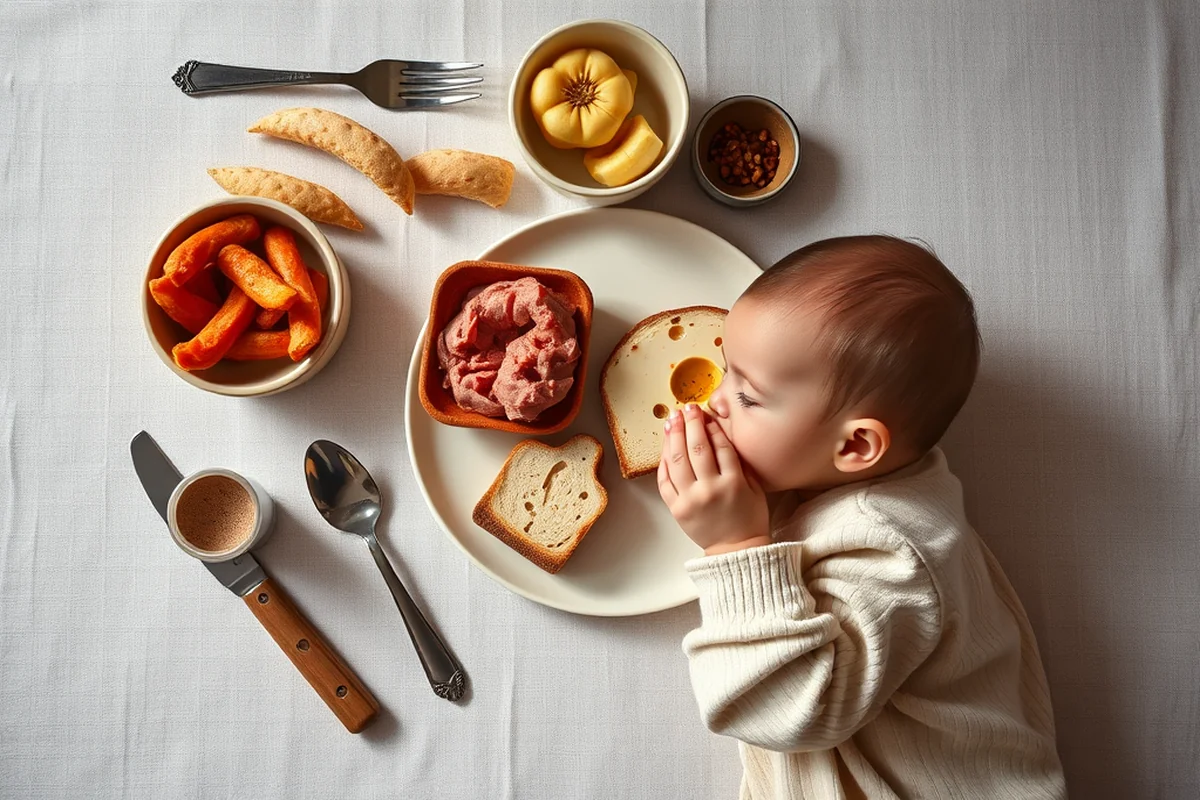
I made a rule that we would not comment on what he ate. We would celebrate every small step—like touching the food, trying a new texture, or even sitting at the table for 10 minutes. This was a game-changer. He began to feel proud of himself for engaging with food, even if he didn’t eat much.[4]
Positive reinforcement doesn’t have to be complicated. A simple ‘Great job trying!’ or a sticker chart helped him see that eating was a worthy effort. It also made mealtimes feel like a fun activity, not a battle.
Over time, this approach helped him shift from avoidance to curiosity. He began to see food as something to explore, not something to fear.
The Importance of Patience
I had to remind myself that change doesn’t happen overnight. My son took months to even touch the foods that had been a part of our family’s meals for years. There were days when he refused to eat anything, and I had to accept that. It was hard, but I learned that pushing him made things worse.
Patience meant not reacting to every refusal with frustration. It meant staying calm even when he threw food or refused to sit at the table. It also meant not comparing him to other children, which I realized was another source of stress for me.
Patience was about trust—trust that he would eventually develop a healthy relationship with food. And it was also about self-care, because caring for a small picky eater is emotionally draining.
The Role of Family Involvement
I found that when the whole family sat together and ate the same foods, it helped my son feel less alone in his eating challenges. He didn’t feel like he was the only one who had to ‘work’ at eating—he saw his parents and siblings enjoying the same food, which made him more curious.
Family involvement also meant that we all shared the responsibility of eating. This created a sense of normalcy and reduced the pressure on him to be the ‘perfect’ eater. It also helped us model healthy eating behaviors and make mealtimes a shared experience.
When the whole family eats together, it sends a message that food is a shared activity, not a battle. It’s a powerful way to support small picky eaters.
Eating together builds connection and reduces the pressure on the child.
The Long-Term Benefits of Gentle Approaches
I now see the long-term benefits of the approach I took. My son eats a variety of foods, and even though he is still a small eater, he has a much better relationship with food. He’s not afraid of new foods, and he enjoys exploring them in different ways.
The patience and consistency I showed helped him develop trust in food. Now, he eats more often, and even though he still doesn’t eat large portions, he’s more open to trying different things. This is a win for both of us.
The key takeaway is that small picky eaters need time, space, and gentle guidance. They don’t need pressure, force, or guilt. They need to feel safe and supported.
🌱 Gentle
This approach focuses on creating a calm, non-pressuring environment where the child can explore food at their own pace.
⚡ Fast-Track
Ideal for parents who are in a hurry but still want to support their small picky eater with a few quick, effective strategies.
✈️ Travel/Away-from-Home
Tips for managing small picky eaters on the go, including portable sensory activities and travel-friendly routines.
👶 Multiples
Strategies for managing multiple picky eaters and small eaters in the same household, including shared routines and family involvement.
🔄 Regression Reset
A structured approach for parents who are dealing with a sudden regression in their child’s eating habits and need a fresh start.
| The mistake | Why it happens | The fix |
|---|---|---|
| Offering too many new foods at once | This can overwhelm the child and make them more resistant to trying anything. | Introduce one new food at a time and give it multiple chances to be accepted. |
| Comparing the child to other children | This can increase the child’s anxiety and make them feel like they are failing at eating. | Focus on the child’s progress and celebrate small steps, rather than comparing them to others. |
Picky Eater+Small Eater
Common Questions
How long does it usually take for a small picky eater to start eating more?
Can I still offer my child their favorite foods even if they are picky eaters?
What should I do if my child refuses to sit at the table?
Is it normal for small picky eaters to take longer to develop healthy eating habits?
Cite this guide
Toddler Nutrition for Picky Eaters (2026). Picky Eater+Small Eater. https://mealgrace.com/picky-eater-small-eater/
Feel free to cite or share this guide.