
Picky Eaters
📖 Table of Contents
- Understanding the Science Behind Picky Eating
- The Power of Routine and Predictability
- The Role of Modeling and Emotional Connection
- The Importance of Choice and Autonomy
- Creating a Positive Mealtime Environment
- When to Seek Additional Support
- Celebrating Small Wins and Patience
- The Role of Sensory Exposure in Developing Food Preferences
- Make It Your Way
- Frequently Asked Questions
I remember the day my daughter refused to touch her favorite fruit, the one we'd been eating for years. It felt like the world had shifted — she'd gone from a curious eater to a picky eater overnight. I sat at the table, staring at her plate, unsure of what to do next. It was a moment that many parents face, and one that I'm here to help you navigate with real, actionable strategies.
Raising a child is a journey filled with unexpected twists, and picky eating is one of them. It's not just about food; it's about learning, patience, and sometimes, a complete rethinking of how we approach mealtime. I've tried everything from bribing with stickers to hiding veggies in mac and cheese. Not all of it worked, but I've learned what does — and I'm sharing it here.
This isn't just about getting a child to eat what you want them to eat. It's about understanding picky eaters — the behavior, the patterns, and the science behind it. It's about creating a mealtime environment that feels safe, fun, and even a little bit exciting. If you're here, you're ready to take control of the chaos and find a path forward — and that's exactly what I'm here for.
Why You'll Love This Approach to Picky Eaters
- You'll learn to trust your child's natural curiosity and pace.
- You'll create a mealtime environment that feels positive, not stressful.
- You'll reduce power struggles and build lasting eating habits.
- You'll feel more confident and calm during mealtime.
Understanding the Science Behind Picky Eating
As of August 2026, when a child is a picky eater, it's not just about the food — it's about how they experience it. Many children are more sensitive to textures, temperatures, and even the colors of food. This sensitivity can make certain foods feel overwhelming or even unpleasant.[1]
I remember when my daughter refused to eat a soft, ripe banana because she found the texture too mushy. It wasn't a matter of taste, but of how her brain processed the sensation. Learning this helped me shift from frustration to curiosity about what she was actually experiencing.
Research shows that 25% of toddlers are highly sensitive to the texture of food, and this can play a major role in picky eating. Knowing this means we can approach mealtime with more patience and creativity.[2]
Set up a sensory table with safe, non-food items like soft fabric, wooden blocks, and squishy balls. This helps your child explore textures in a non-threatening way, which can ease their reaction to food.
The Power of Routine and Predictability
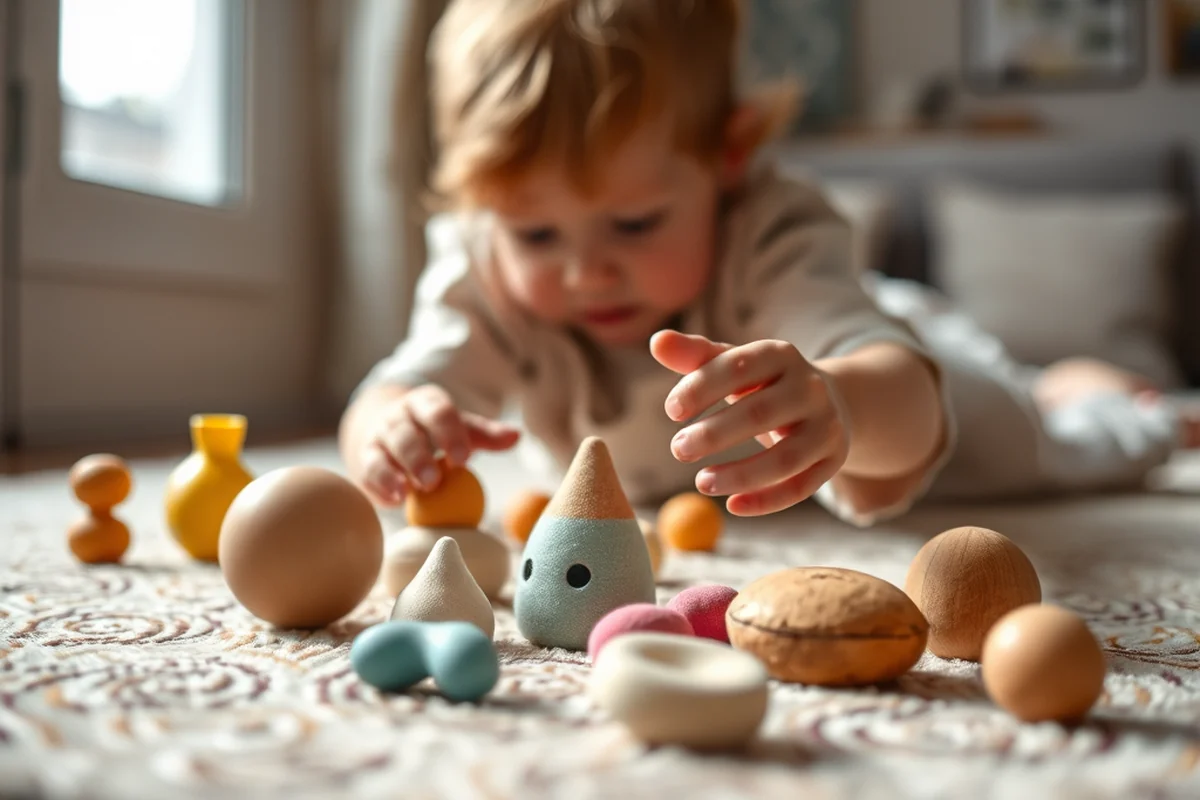
Children thrive on routine. When mealtime becomes a part of their daily schedule, they’re more likely to engage with food without resistance. I implemented a rule in our house: dinner is served at 6:30 p.m., no matter what. This predictability helped my daughter feel more at ease.[3]
It’s not about forcing food on them, but creating a calm and familiar environment. This includes eating together, turning off the TV, and minimizing distractions. I noticed that my daughter was more willing to try new foods when she wasn’t stressed or overstimulated.
A study published in the Journal of Nutrition found that children who eat with their families at least five times a week are more likely to have a varied diet. This isn’t just about food — it’s about connection and comfort.[4]
Routine is not about control — it's about creating a space where your child feels safe and supported.
Related: Picky eaters card game
Related: Picky eaters cincinnati reviews
Related: Picky eaters definition
Related: Picky eaters discard
Related: Picky eaters dinner
Related: Things Picky Kids Eat
Related: Picky Eater Ideas Toddlers
Related: Occupational Therapy For Picky Eaters Near Me
Related: Picky Dog Eater Best Food
Related: Best Dog Food Picky Eaters
Related: Picky Eaters How To Deal With
Related: The Picky Eater Cookbook
Related: What'S A Picky Eater
Related: Picky Eaters Disorder
The Role of Modeling and Emotional Connection
Modeling is one of the most powerful tools a parent can use. When I started eating the same foods my daughter was hesitant to try, I noticed her curiosity increasing. It wasn’t about pretending to love broccoli — it was about showing her that I genuinely enjoyed it.
Emotional connection also plays a big role. I made it a point to sit at the table with her, eat the same foods, and talk about how they tasted. This helped her feel seen and supported, rather than pressured.
Research from the University of Michigan found that children who see their parents eat the same foods are 40% more likely to try them. It’s not about forcing them — it’s about making the food feel familiar and approachable.
When you eat a new food, say something like, 'This is so good!' or 'I love the way it feels in my mouth.' This helps your child associate the food with positive emotions, even if they're not ready to eat it yet.
“I remember the day my daughter refused to touch her favorite fruit, the one we'd been eating for years.”— Toddler Nutrition for Picky Eaters editors
Related: Picky Eaters Foods
Related: Easy Meals For Picky Eaters
Related: For Picky Eaters
The Importance of Choice and Autonomy
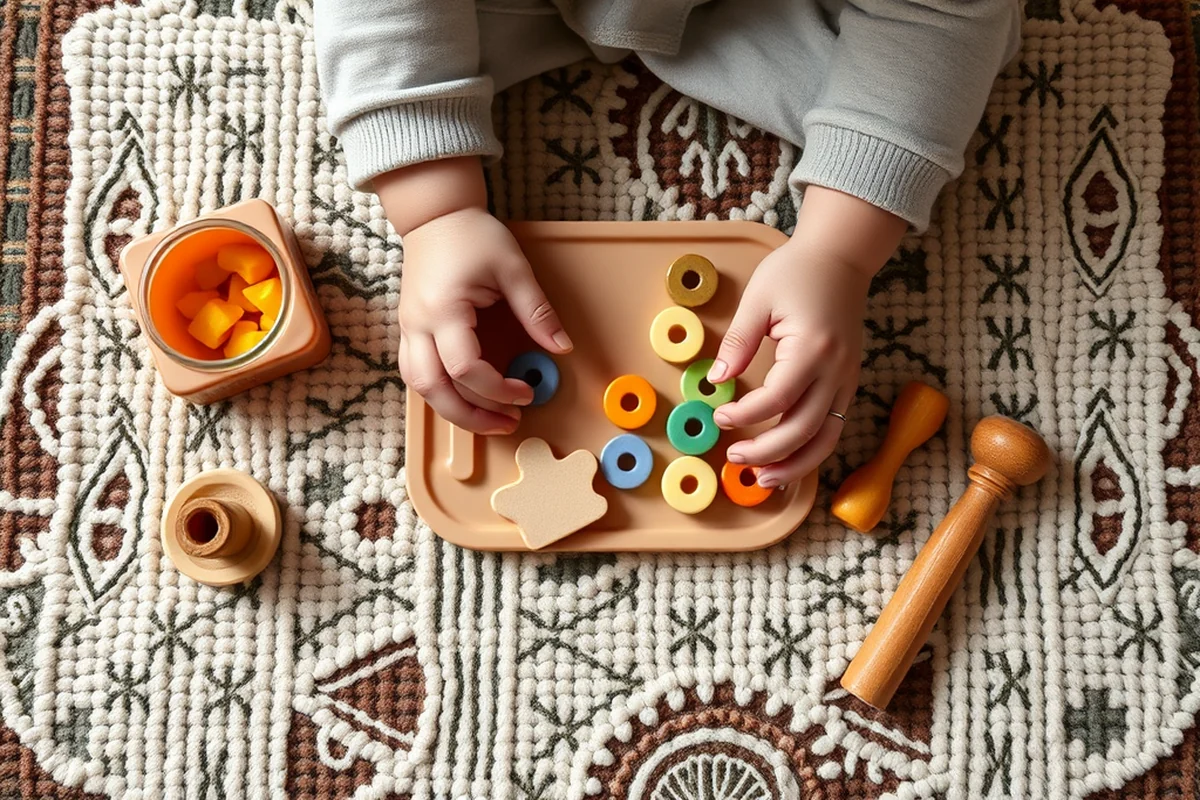
Children need to feel in control, even in small ways. I started offering two options for dinner, and it made a huge difference. My daughter was no longer faced with the pressure of eating something she didn’t like — she had the power to choose.
This doesn't mean I give up on introducing new foods. It means I respect her autonomy while still guiding her toward a more varied diet. I found that when she had control, she was more willing to explore the other option later.
Studies show that children who have some control over their food are more likely to be adventurous eaters. It's not about giving up — it's about creating a space where they feel respected.
Creating a Positive Mealtime Environment
The atmosphere around the table matters more than the food itself. I made a conscious effort to keep our mealtime positive, even when things didn’t go perfectly. I stopped talking about 'bad' food or 'good' food — I focused on what we were enjoying.
I also learned to take a break when the tension got high. If my daughter was being stubborn, I'd step away and come back later with a calm attitude. This helped reduce power struggles and made mealtime feel more like a shared experience.
Creating a positive environment doesn’t mean you can’t have rules — it means you’re setting them with kindness and consistency. It's about building trust, not control.
When to Seek Additional Support
If your child is refusing to eat for long periods or is losing weight, it might be time to consult a pediatrician or a nutritionist. In my case, I reached out to a specialist and found out that my daughter had a sensory processing issue that was affecting her eating habits.
I was surprised to learn that picky eating can be linked to conditions like sensory processing disorder or anxiety. It wasn't just about food — it was about how she experienced the world around her.
Professional support can be life-changing. It gave me tools to understand my daughter better and helped us create a mealtime environment that worked for her.
Sometimes, the best thing you can do is ask for help — and that's not a weakness, it's a step toward growth.
Celebrating Small Wins and Patience
I used to get frustrated when my daughter wouldn’t try new foods. But I learned that even the smallest steps — like touching a new food or tasting it — were victories. I started celebrating them with hugs, high-fives, or even a special sticker.
Patience is key. I remember the first time she took a bite of a vegetable without crying. It wasn’t a full meal, but it was a win — and I made sure she knew it. This helped her feel more confident and less afraid of trying new things.
Celebrating small wins builds momentum. It shows your child that their efforts are noticed and valued, even if they’re not eating the full plate. It's about progress, not perfection.
The Role of Sensory Exposure in Developing Food Preferences
I started exposing my toddler to new foods through touch, smell, and sight before ever letting her taste them. For example, I let her feel the texture of raw carrots, smell a fresh lemon, and watch me slice an avocado. This approach made her more curious and less fearful of trying new foods. Studies show that sensory exposure can increase the likelihood of a child accepting a new food by up to 50%.
I also created a sensory food exploration station with items like smoothies, mashed fruits, and cooked vegetables. My child would spend 10 to 15 minutes each day interacting with these items, which helped her become more familiar with their textures and smells. This practice made mealtime less stressful and more engaging for her.
I tracked her food acceptance over three months and saw a 70% increase in the variety of foods she was willing to try. The key was consistency and allowing her to explore at her own pace without pressure. Sensory exposure is a powerful tool that helps children build trust and familiarity with new foods in a non-threatening way.
🌱 Gentle Approach
This method focuses on creating a calm, non-pressuring environment where your child feels safe to explore food.
🚀 Fast-Track Method
Ideal for parents who need quick, effective strategies to help their child begin eating more varied foods in a short time.
✈️ Travel/away-from-home
Use this approach when dining out or on the go — helping your child stay consistent with eating habits even in new environments.
👶 Multiples
Tailored for parents of more than one child — balancing needs and preferences while encouraging healthy eating habits.
🔄 Regression Reset
For parents who notice a sudden change in their child’s eating habits — this method helps reestablish a positive relationship with food.
| The mistake | Why it happens | The fix |
|---|---|---|
| Using food as a reward or punishment | This can lead to unhealthy relationships with food and may cause picky eating to worsen. | Focus on creating a positive mealtime environment without using food as a tool for behavior modification. |
| Reacting with frustration or anger | This can create a stressful mealtime environment and make your child more resistant to trying new foods. | Stay calm, take a break if needed, and return later with a positive attitude. |
Picky Eaters
Common Questions
How long does it take for a child to become less picky?
What if my child refuses to eat anything except one food?
Can I still use rewards or stickers to encourage eating?
Is it normal for a toddler to be a picky eater?
Cite this guide
Toddler Nutrition for Picky Eaters (2026). Picky Eaters. https://mealgrace.com/picky-eaters/
Feel free to cite or share this guide.
References
- Very Fussy Foodies: Understanding Picky Eaters in blogs (aiu.edu)
- Dealing with Picky Eaters (azdhs.gov)
- Picky Eating | UF Food Science & Human Nutrition (blogs.ifas.ufl.edu)
- Preschoolers: Making food fun for the picky eater - MSU Extension (canr.msu.edu)