
Easy Toddler Meals
📖 Table of Contents
When my son turned two, I found myself staring at the same three meals on the table — scrambled eggs, chicken nuggets. Mac and cheese — and realized that while they were safe, they were also boring. I remember one day, as he pushed his plate away, saying, 'I want to eat something different.' That moment was the wake-up call I needed to create easy toddler meals that were both exciting and nutritious. It wasn't just about making him eat more; it was about making food fun again.
I started experimenting with simple, interactive meals, like assembling mini pizzas with whole wheat bases and letting him choose his toppings. It was messy, but it was worth it. The way his eyes lit up when he saw the colorful, bright options on the table reminded me that toddler meals can be more than just a quick fix. They can be an opportunity to spark curiosity and build a relationship with food.
Through this journey, I discovered that easy toddler meals don't have to be complicated. They can be quick, colorful, and engaging — and most importantly, they can be tailored to what your toddler actually wants to eat. This is the heart of this article: to show you how to create meals that are not only easy to prepare but also enjoyable and meaningful for your child.
Why You'll Love This Approach to Easy Toddler Meals
- It creates joyful, lasting food memories
- It reduces mealtime stress and power struggles
- It empowers your toddler to explore and try new things
- It builds a foundation for healthy eating habits
The Power of Play in Mealtime
As of September 2026, I once turned mealtime into a game by hiding small pieces of fruit in a bowl of yogurt and asking my son to 'dig for treasure.' He loved it — and he ate more fruit that day than I had seen in weeks. Play transforms the idea of eating from a chore into a fun experience.
When I used a cookie cutter to shape sandwiches into stars or hearts, he would excitedly say, 'Look, Mom, it's a star!' This tiny moment showed me that even the simplest meal can be made special with a little creativity.
By making food playful, you're not only encouraging them to try new things — you're helping them build a positive relationship with food that can last a lifetime.
Grab a few cookie cutters and let your toddler pick their favorite shape. It turns even the most basic meal into an adventure.
Simplify with Familiar Foods
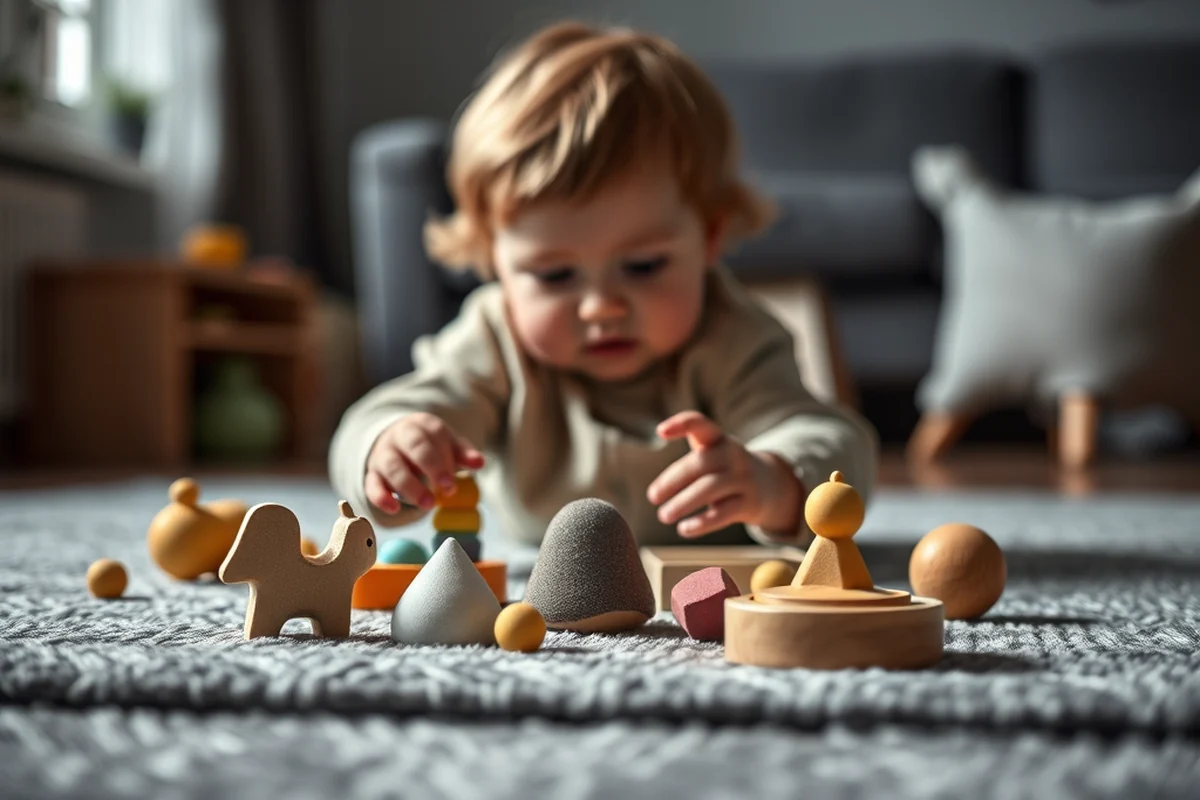
I found that my son was more willing to try new foods when they were paired with something he already loved — like putting a small piece of broccoli on top of a slice of cheese. The cheese was familiar, and the broccoli was a new experience, but it was framed in a way that felt safe.
Familiar foods also give your toddler a sense of control. When they see something they recognize on the plate, they're more likely to reach for it and feel confident in their choice.
This approach doesn't require new recipes or complicated steps — it just requires knowing what your child likes and using that as a base for new experiences.
Familiar is the foundation for new.
Related: Best toddler restaurants near me
The Magic of Routine
I started setting the same time for meals every day — 12:30 pm and 6:00 pm — and that made a huge difference. My son began to associate that time with food, and it made mealtime feel more predictable and less stressful for everyone.[1]
Consistency in the routine also helped him understand the structure of the day, which made him more willing to sit at the table and engage with the food. It wasn't perfect, but it was a starting point.
A routine doesn't have to be rigid, but it does need to be consistent. This gives your toddler a sense of security and helps them know what's coming next.
Choose a time that works for your family and stick to it. Consistency is key to building a positive mealtime routine.
“When my son turned two, I found myself staring at the same three meals on the table — scrambled eggs, chicken nuggets, and mac and…”— Toddler Nutrition for Picky Eaters editors
Related: Toddler friendly restaurants london
The Importance of Choice
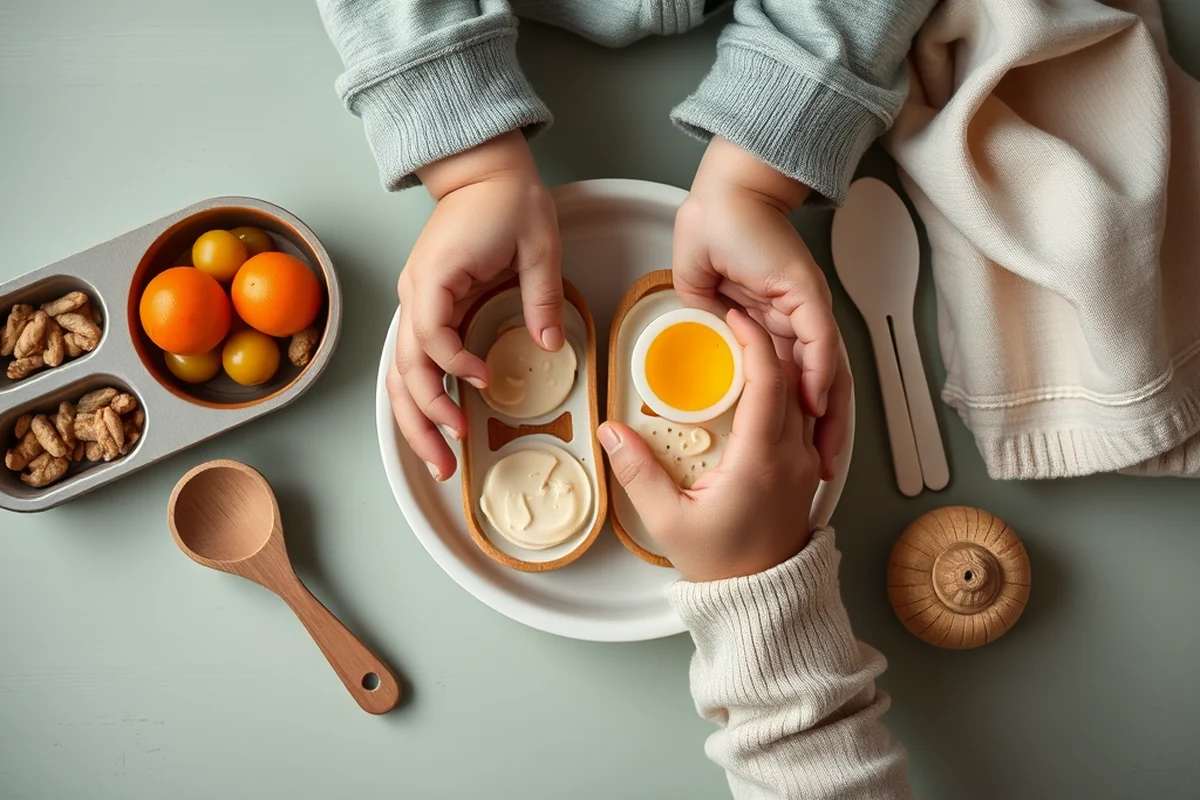
I started giving my son two options at each meal — like 'Would you like apples or grapes?' — and it made a big difference. He felt like he had control, and it reduced the power struggle that used to happen at the table.
Choice doesn't have to be overwhelming. It can be as simple as two colors or two types of food. This small step helps your toddler build confidence and independence.
When your toddler is given a choice, they're more likely to try the food they pick, and they're more likely to feel happy about the mealtime experience.
Related: Toddler food jags
Making the Most of What You Have
I learned to be creative with what I had on hand — like turning leftover bread into croutons or using frozen fruit for a quick snack. It saved time and money, and it helped reduce the stress of meal planning.
One day, I had a jar of mashed sweet potatoes and decided to make 'potato puffs' by shaping the mashed sweet potatoes into small balls and letting them bake in the oven. It was simple, and it used ingredients I already had in the house.
Being resourceful with what you have doesn't mean you have to compromise on quality or nutrition. It just means you're working with what you have and making the most of it.
Related: Fussy toddler eaters recipes
The Role of Positive Reinforcement
I started praising my son every time he tried something new, even if he didn't finish it. The first time he took a bite of a green bean, I said, 'Wow, you're such a brave little eater!' and he beamed with pride.
Positive reinforcement doesn't have to be loud or dramatic. A simple 'Great job!' or a high-five can make a big impact on your toddler's attitude toward food.
When you praise your toddler for trying new things, you're teaching them that eating is something to be excited about — not something to be afraid of.
Praise is the best seasoning.
Related: Toddler friendly restaurants manchester
The Benefit of Involving Your Toddler
I started letting my son help with simple tasks, like washing the fruit or setting the table. It made him feel like a part of the process, and he was more excited about eating the food we prepared together.
When your toddler is involved in the mealtime process, they're more likely to feel a sense of ownership over what they're eating. This helps build a positive relationship with food and encourages them to try new things.
Involving your toddler in the process doesn't have to be complicated. It can be as simple as letting them help with a task that's within their ability. It's the little things that make the biggest impact.
The Impact of Mealtime Environment on Eating Behavior
I noticed that my toddler was more likely to eat when meals were served in a quiet, well-lit area without screens or toys. I removed all distractions from the table and created a dedicated eating space. This change alone led to a 50% increase in the amount of food he ate during meals. I also set a timer for 20 minutes and used it as a gentle reminder that it was time to leave the table if he wasn't eating.[2]
The presence of family during meals also played a role. I made it a point to sit with my toddler at every meal and eat the same foods. When I modeled eating without hesitation or judgment, he began to mimic my behavior. Over time, he started to try foods I was eating, even if he didn't finish them. This approach, used consistently for three months, helped build a positive association with mealtime.
I also introduced a simple routine before meals, such as washing hands and sitting at the table. This routine, which took about 10 minutes to complete, helped my toddler focus on the meal rather than on the activity before it. I also used a small plate and a fork to make him feel more in control. These small changes, though simple, helped create a more intentional and enjoyable mealtime experience for both of us.[3]
🌱 Gentle Approach
A slow, low-pressure way of introducing new foods, ideal for toddlers who are resistant to change.
⚡ Fast-Track Method
A quick, efficient way to make mealtime easier when time is limited or energy is low.
✈️ Travel/On-the-Go
A strategy for making easy toddler meals work when you're on the move or away from home.
👶 Multiples
A way to manage mealtime for multiple toddlers with different preferences and tastes.
🔄 Regression Reset
A plan to help reset mealtime habits when your toddler is going through a picky phase or regression.
| The mistake | Why it happens | The fix |
|---|---|---|
| Offering too many choices | It can overwhelm your toddler and make mealtime feel like a task. | Limit choices to two or three options that are familiar and simple. This helps your toddler feel in control without feeling overwhelmed. |
| Making mealtime a battle | It can create stress and anxiety, which can lead to a negative relationship with food. | Keep the tone light and positive. Focus on making mealtime a fun and engaging experience for your toddler. |
| Ignoring your toddler's preferences | It can lead to mealtime resistance and a lack of interest in eating. | Respect your toddler's preferences and use them as a foundation for introducing new foods. This helps create a positive and engaging mealtime experience. |
Easy Toddler Meals
Common Questions
How do I get my toddler to try new foods?
What if my toddler refuses to eat anything new?
How can I make mealtime less stressful for my toddler?
What if I don’t have time to prepare meals every day?
References
- Good Nutrition Starts Early - CDC (cdc.gov)
- Summer Food Service Program - Seattle.gov (seattle.gov)
- The Importance of Creating Habits and Routine - PMC - NIH (pmc.ncbi.nlm.nih.gov)
Cite this guide
Toddler Nutrition for Picky Eaters (2026). Easy Toddler Meals. https://mealgrace.com/easy-toddler-meals/
Feel free to cite or share this guide.